BODYWORK:
Health, Beauty, and Transformation in Africa (2024-2029)
Funded by the SSHRC.
About the project:
Africa, a continent stereotypically known for its famines and chronic malnutrition, is now facing a growing obesity epidemic, and undergoing what global health observers describe as an epidemiological transition, as non-communicable diseases that were once mainly found in industrialized nations increasingly also afflict communities across the global South. African countries are also undergoing a demographic transition whereby more people are surviving into older age with chronic conditions.
This research contributes to a growing body of scholarly works on changing health landscapes in the global South through the perspective of wellness (rather than illness) and with a focus on forms of bodywork that are driven by more than health preoccupations; that is, ways of working on the body at the intersection of health and beauty, such as exercise, dieting, surgical interventions, and the use of alternative medicines. It asks what kinds of subjectivities, social relations, and ways of being in the world, are produced when health and beauty meet as competing or complementary pursuits. Bodywork thus heeds a call to provide other stories about health and health-seeking in Africa through generating nuanced accounts of life on the ground in diverse African settings.

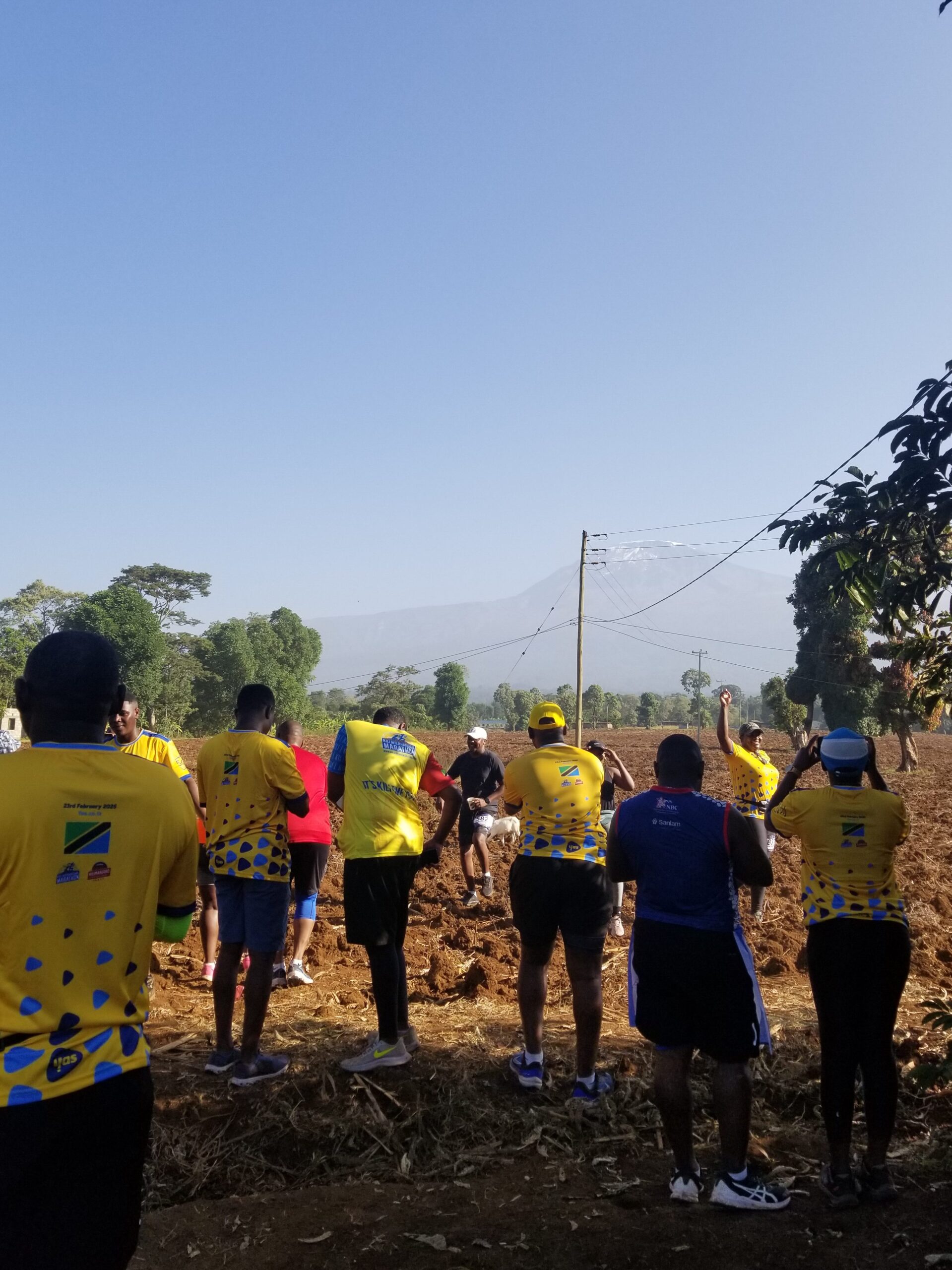
Kilimanjaro Marathon
Social Running and Bodywork
About the research:
Since 2003, an annual marathon has taken place at the foot of Mount Kilimanjaro in Tanzania, traversing a 42km route around the city of Moshi, ascending the mountain’s slopes, and concluding in a local stadium, where a cheering audience gathers for the post-race festivities. While only a few hundred runners participated in the first races, the 2025 event registered 13,000 participants across the full marathon, half marathon, and the 5km “fun run.” The run has grown especially popular among local amateur participants, keen to join in what could be part of the global fitness revolution (Andreasson & Johansson, 2014). A large proportion of these runners are not primarily performance-oriented, but are instead motivated by enjoyment, social interaction, and the festive atmosphere surrounding the event. As one marathon organizer describes it, social runners “come to drink and run”, also “it’s good for their heart, it’s good exercise, and they contribute very much to a fun experience.” This framing positions participation not merely as leisure, but as a meaningful form of embodied engagement—casting the festive trend as a socially valued and health-oriented practice.
This ethnographic project provides stories from Tanzania that reveal health and beauty
aspirations in a particular epidemiological and socio-economic context. The research starts by examining the rapidly spreading enthusiasm for fitness and running in Moshi, Tanzania, and shares emerging narratives around the marathon, body ideals, social class, health, and wellbeing. The appeal towards neoliberal trends, such as fitness or marathon participation, reflects a broader context in which health-conscious subjectivities and moral imaginaries are both historically situated and continually evolving (Archambault, 2021; Martschukat, 2021).